

How I bounce back when terrible stuff happens
A killer reframe plus 5 practical tips.

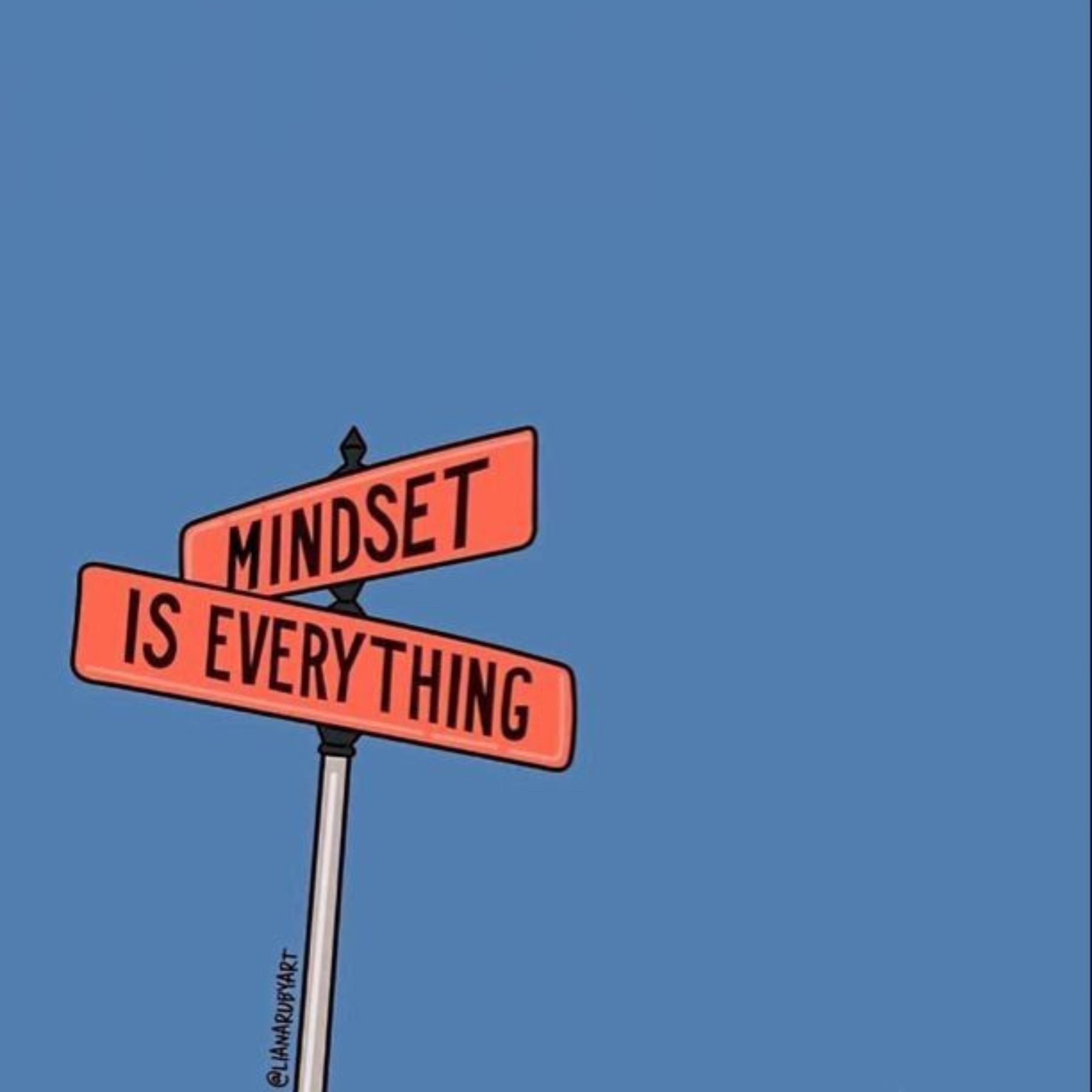
A few weeks ago a lovely reader asked me the following question:
“I'd love to better understand your process when faced with a challenge (say: a big opportunity doesn't materialize, someone gives mediocre/bad feedback, you're not getting enough top funnel leads, you are just not motivated to write, etc). I think so much of a portfolio career is about managing oneself and what we tell ourselves, so I'm curious about what goes on in your mind in those cases!”
Great question, dear reader! I wholeheartedly agree that success in a portfolio career largely comes down to an ability to make your way through very shitty times. And for me, there have been many.
There was the time, early on in my business journey, when I was down to a few of thousand dollars in the bank and there was zero cash flow in sight. I spent hours, days, months even, stuck in a downward spiral of self pity and self doubt, unable to see a clear road to revenue or path out of my pretty dire state.
There was the time I came home from a 14 hour day of working on a client’s launch only to remember that my Substack was meant to go out first thing the following morning and I hadn’t put a single word to paper. I stayed up until 4am trying desperately to form two coherent thoughts, my intelligence seemingly evaporated from pure exhaustion.
There was the time I received my first (and so far only) piece of negative feedback from a customer of a 4 week sprint I ran last year. The feedback - that I didn’t deliver what I said on the tin - was communicated constructively and kindly, and while valid, I got defensive (internally, not outwardly) because no other participant shared this sentiment and I genuinely felt my promise was clear.
There was the time someone purchased my digital product and then ripped it off and sold it under their own name. The audacity! The injustice of it all! For weeks I felt a burning sense of betrayal. Not unlike what I imagine Taylor Swift felt when her life’s work was purchased by arch nemesis Scooter Braun (dramatic much?).
There was the time one of my best Substacks was plagiarised by a reader who then went viral by directly ripping off my title, stories, sentences and IP. Then there was the time it happened again.
There was the time a post went viral and my audience grew exponentially overnight, only to attract a weird online stalker-ish dude who loitered in my psyche and the DMs, making me feel the need to look over my shoulder.
There was the time I got rejected by a dream client only to get ghosted by another the following week.
Then there were the times, oh so many times, of intense loneliness and periods of grieving the life I’d chosen to leave behind. The water cooler chats with my work besties who became real life besties. The 4pm Friday knock-off cocktails to engage in harmless gossip about our rather intense boss. Ducking out for an extended coffee before the weekly WIP to prepare the agenda as a team. Celebrating the collective success of wrapping up a project or surviving a big presentation with the leadership team. Office banter. In-house jokes. A sense of shared purpose.
I could go on.
The truth is that I haven’t always handled these situations well. In the first few years, I was a ball of stress whose blast radius got larger with every disappointing outcome or spaghetti string that didn’t stick. But with age comes experience and with it, wisdom. Friction, struggle and challenge are core parts of the human experience and instead of complaining about what’s come my way (woe me) I now don my PR & Marketing hat and spin the story.
Every time I experience something terrible, I re-market it to myself as something good. No matter how much of a stretch this may be.
Negative feedback forces me to reevaluate whether my offers are clear enough, valuable enough and delivering the transformation I set out to help others achieve. It catapults me into my improvement era, my levelling up era, my growth era.
Plagiarism is a signal that I’m leading an important conversation. A stark reminder to keep pushing, to never rest on my laurels, to stay ahead by thinking ahead.
Rejection from a dream client is reframed as potentially saving me from a future nightmare. A loud no (or a silent ghost) creates capacity for a more aligned opportunity to make its way through the universe and into my inbox.
Loneliness is a necessary chapter, something that every successful founder, writer, builder, thinker and creator has endured. It’s the prologue before my plot thickens, twists, turns and explodes with new connections. Ones that leave feelings of isolation in a distant past.
Every time I go through hell I make it into something good. Every shadow has light, every setback is a step forward, every rejection is redirection, and every Taylor Swift sized injustice will see karma coming back around.
Every time I go through hell I remind myself how many times I’ve made it through. I remind myself that this time is no different. I remind myself that I’ll emerge partially scathed but with an absolutely ripping story.
Just like every other time.

How my problems have changed over the years, what I’m struggling with right now, and 5 practical things I do to help me move through the mud.
🫶🏼 When you’re ready, here are three ways I can help:
Portfolio Career Mentoring: 1-1 sessions to help you get started and build a future-proofed career that sits at the intersection of freedom, creative fulfilment, meaning and money.
The Portfolio Career Operating System: a Notion tool to help you build consistent sales and clear direction across your many projects, clients and income streams, without flying blind or running yourself into the ground. Used by 200+ professionals, creatives and solopreneurs worldwide.
Spin Up A Mini Offer Playbook: steal my process for designing, launching and testing a new income stream in under a day.
❤️🔥 Subscribe for more ideas and frameworks…
…to help you build a financially lucrative and creatively fulfilling portfolio career and life.
I really like this reframe of “terrible” as raw material rather than evidence you’re on the wrong path, Anna. The examples around plagiarism, rejection, and loneliness really land because they’re specific enough to feel awful yet familiar enough that most builders can see their own story in them—and that makes the “re‑market it to myself” move feel doable instead of cheesy.
I love this reframe!!